Exploring the Beauty and Culture of Spiti Valley
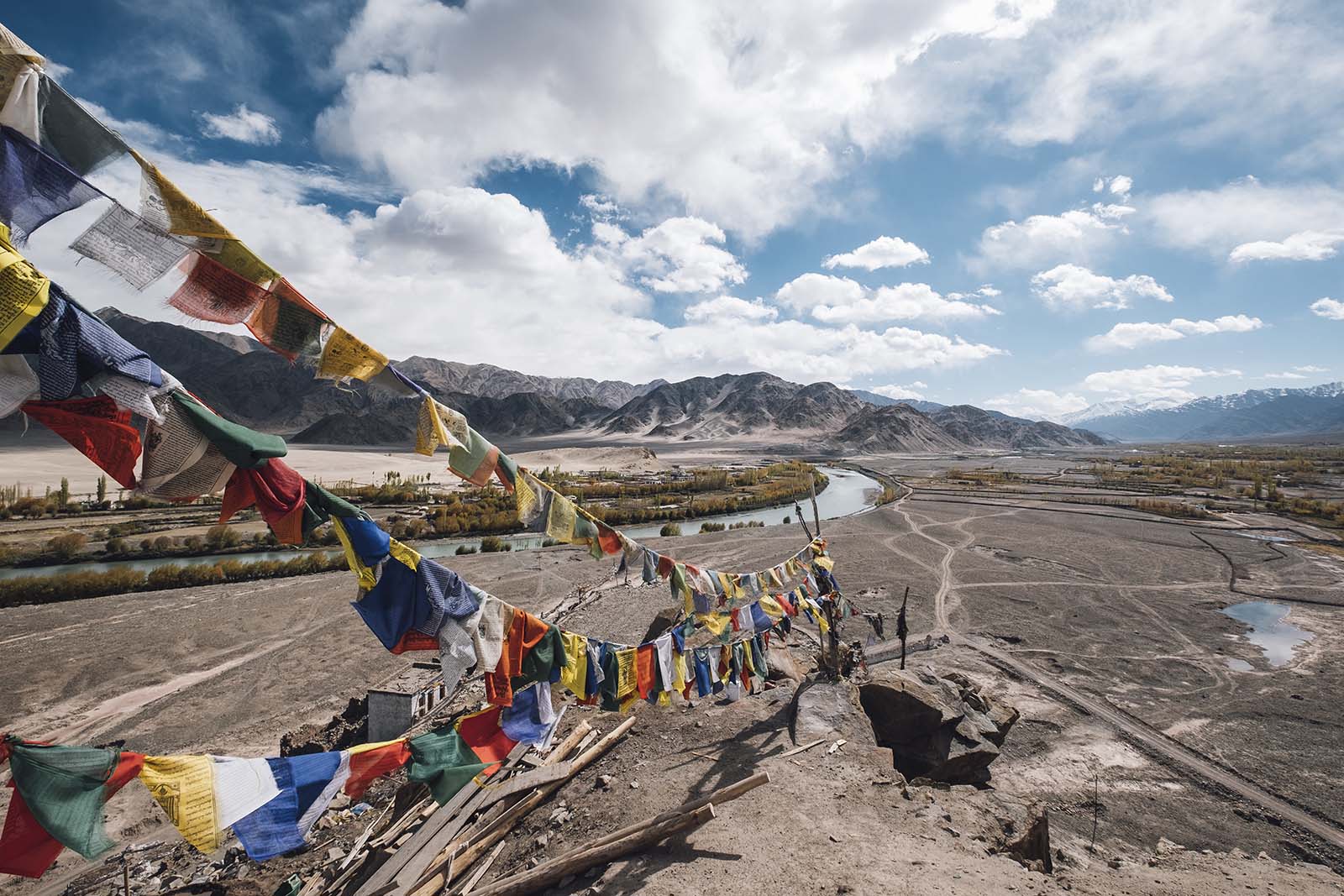
Spiti Valley is one of those places that doesn’t just take your breath away — it makes you earn it. Tucked into the far northern reaches of Himachal Pradesh, wedged between the Himalayan ranges and the Tibetan Plateau, this remote region is a world apart from the India most travelers know. The landscapes are lunar, the monasteries are ancient, and the silence is the kind you feel in your bones.
Getting There
Getting to Spiti is part of the adventure. From Shimla, it’s roughly 250 kilometers — but that translates to about 12 hours of driving on narrow mountain roads that twist through gorges and cling to cliff faces. The alternative route is from Delhi to Manali and then onward to Kaza, which takes about three days but rewards you with some of the most dramatic road scenery in the Himalayas.
The roads close during heavy snowfall, so the best time to visit is between June and September, when the passes are open and the weather is relatively mild. Outside this window, Spiti becomes extremely isolated.
Kaza: The Hub of the Valley
Kaza is the largest town in Spiti and serves as the main hub for exploring the region. It’s small by any measure, but it has everything you need — guesthouses, local markets, and restaurants serving Himachali food. The town sits on the banks of the Spiti River, surrounded by barren mountains that shift color throughout the day. It’s a good base for acclimatization and for planning excursions to the surrounding villages and monasteries.
Ancient Monasteries
The monasteries of Spiti are among the oldest and most atmospheric in the Indian Himalayas.
Tabo Monastery dates back to the 11th century and is one of the oldest continuously inhabited monasteries in the world. Inside its mud-brick walls, you’ll find intricate frescoes and sculptures that have survived nearly a thousand years of harsh mountain winters. The artistry is extraordinary, and the spiritual atmosphere is palpable.
Dhankar Monastery sits perched on a clifftop high above the confluence of the Spiti and Pin rivers. Built in the 14th century, the monastery offers sweeping views of the valley below and houses a collection of Buddhist artifacts and manuscripts. The climb to reach it is steep, but the reward is one of the most photogenic spots in all of Spiti.
Trekking
Spiti offers some of the most challenging and rewarding treks in India.
The Pin Parvati Trek is a 10-day moderate trek that crosses the Pin Parvati Pass at over 5,300 meters, connecting the lush Parvati Valley with the arid Spiti landscape. The contrast between the two sides of the pass is astonishing.
The Kinnaur Kailash Trek is an 8-day challenging route that takes you through sacred landscapes and past the Kinnaur Kailash peak, revered in Hindu mythology. This trek demands fitness and experience but delivers solitude and scenery in equal measure.
High-Altitude Lakes
Two of India’s most spectacular high-altitude lakes are accessible from Spiti.
Suraj Tal, sitting near the top of the Baralacha La pass, is one of the highest lakes in the world. Its turquoise waters reflect the surrounding peaks in a way that feels almost artificial — but it’s entirely real.
Chandratal, the “Moon Lake,” is a glacial lake surrounded by snow-capped peaks and meadows that burst with wildflowers in summer. Camping by Chandratal under a star-filled sky is one of those experiences that stays with you long after you’ve returned to the plains.
Spiti Valley isn’t easy to reach, and it doesn’t offer luxury or convenience. What it offers instead is something far more valuable — a landscape that humbles you, a culture that welcomes you, and a silence that gives you space to think. If you’re willing to make the journey, Spiti will reward you in ways you didn’t know you needed.
Comments
Loading comments…